Passage 04 / Conversion product → qualified material
Quality: When Output Meets a Buyer
A recycled pellet has two separate stories: where its material came from and how it behaves. Neither story can substitute for the other.
Start with the intended part
Useful quality begins with an application. An injection-moulded housing, a film and an outdoor profile place different demands on flow, stiffness, impact resistance, appearance and long-term performance. There is no universal marine-recycled grade that automatically suits all three. A buyer and supplier need an agreed specification tied to the actual manufacturing process.
Material data sheets describe typical properties; a certificate of analysis normally reports specified information for a particular lot. Buyers should understand which values are guaranteed, which are indicative and which are not routinely measured. Test conditions, sample preparation and conditioning can change the result, so numbers without methods are difficult to compare.
Qualification should also consider practical factors such as odour, colour variation, visible inclusions, pellet dimensions and packaging. These may not determine every mechanical property, but they can affect manufacturing stability, worker acceptance and the finished product. A process trial often reveals issues that a short data sheet cannot.
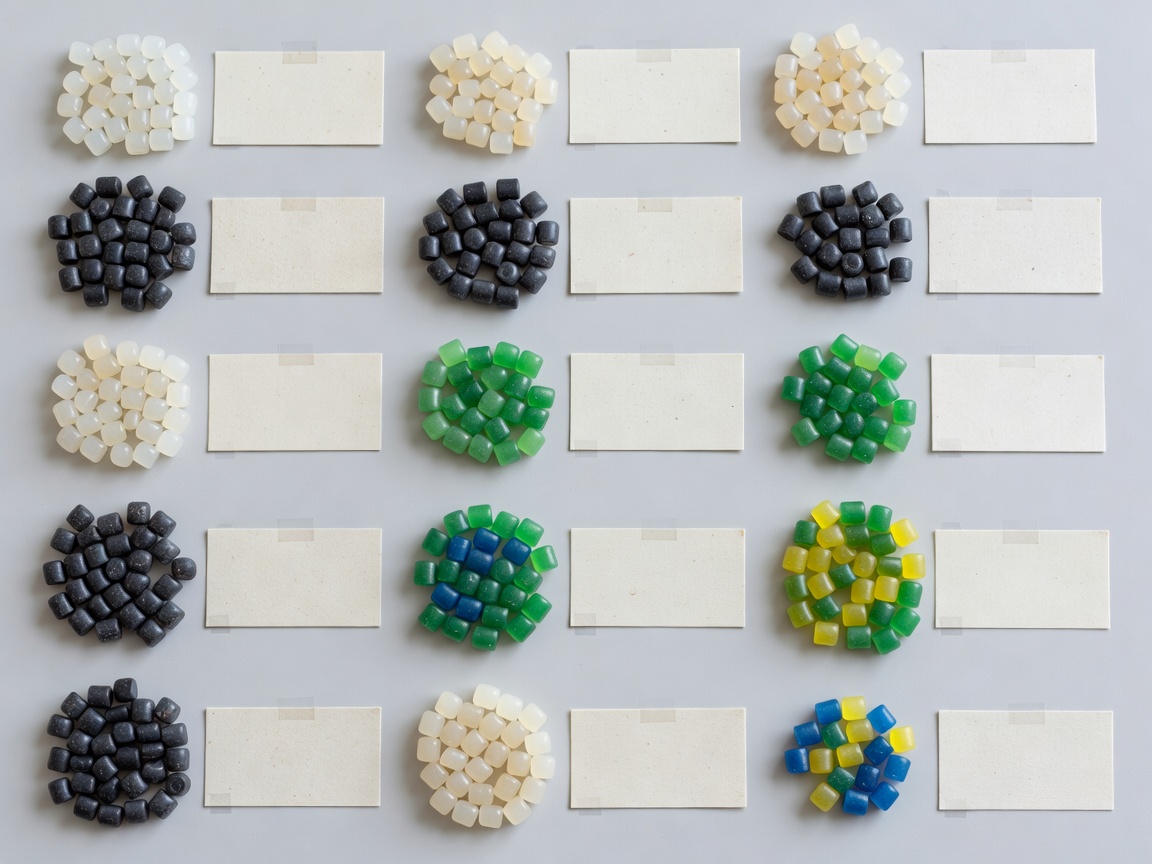
Measure properties that answer a question
Melt flow testing can help assess processing consistency, but a matching flow value does not establish that two materials have identical toughness or durability. ISO 1133 and ASTM D1238 describe relevant flow-testing approaches under specified conditions. The chosen temperature and load need to be reported rather than omitted from a comparison.
Density measurements, such as those addressed by ISO 1183, can support identification and consistency checks. Tensile testing under ISO 527 addresses another part of performance. Moisture, ash, thermal behaviour and contamination testing may also be appropriate. The test panel should follow the risks of the feedstock and the demands of the intended part.
Representative sampling is essential. A result from one convenient bag may not describe the whole production lot. Define the lot boundary, sampling locations, frequency, acceptance rules and the treatment of failures. Retained samples and traceable laboratory records make later investigations more useful than retrospective assurances.
| Property | What it helps establish | What it does not prove |
|---|---|---|
| Melt flow | Flow behaviour under stated conditions | All mechanical or durability properties |
| Moisture | Readiness for a moisture-sensitive process | Absence of chemical contamination |
| Tensile properties | Response of prepared specimens to tension | Performance of every finished part |
| Origin records | Documented collection and custody history | Fitness for a regulated application |
Traceability follows transformations
A useful chain of custody connects collection lots, sorting fractions, washed material, conversion batches and dispatched product. Each transformation needs quantities and identifiers sufficient to explain the relationship. If batches are blended, the records should reflect that blending rather than implying an unchanged physical lot.
EN 15343 addresses recycled-plastics traceability and assessment of conformity and recycled content. ISO 14021 provides a framework for self-declared environmental claims. These references can help organise questions, but citing a standard is not the same as holding a relevant certificate or proving compliance with every requirement.
Check the scope of any certification: the legal entity, facility, process, materials, validity period and claim wording. A certificate for one site or product does not automatically cover another. Where an allocation model is used instead of segregation, disclose that distinction clearly and preserve the supporting accounting records.
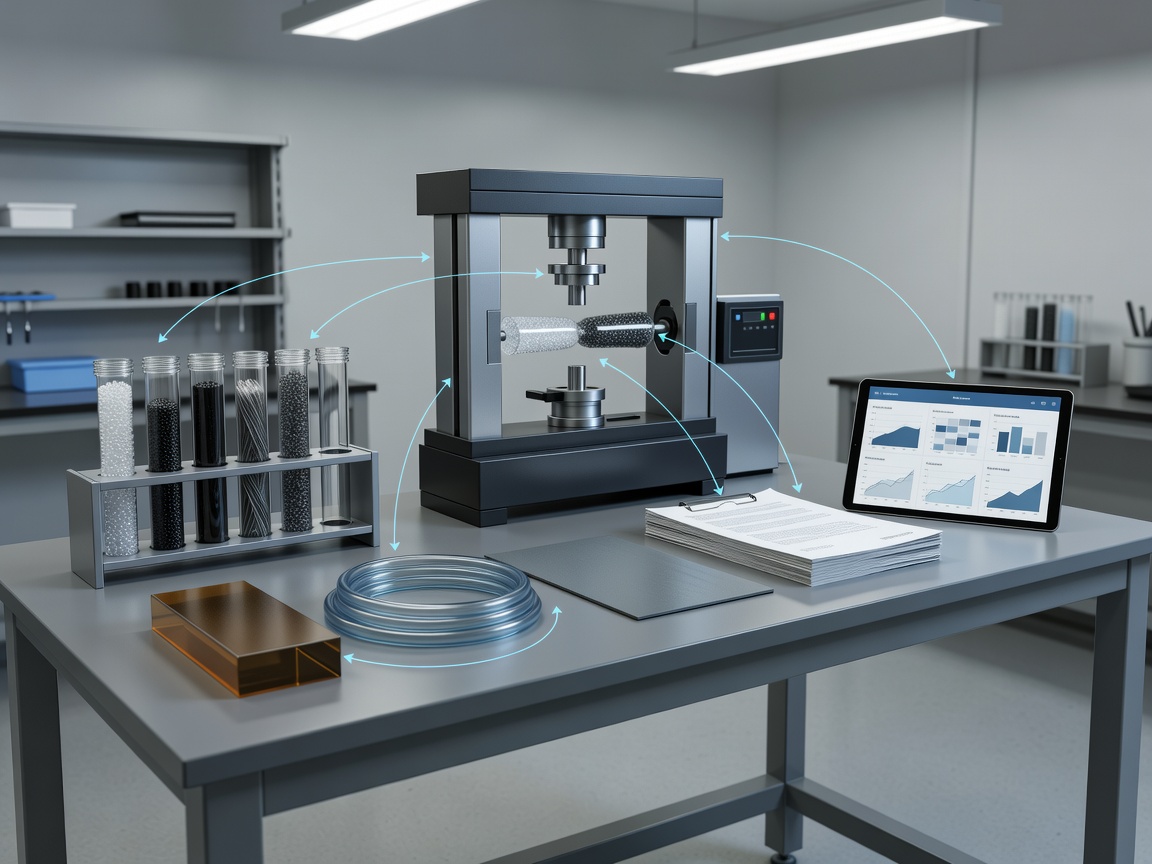
Reuse needs a verified destination
A sale does not prove that all material became the advertised finished product. Stronger evidence connects dispatch records with a buyer's agreed application and, where appropriate, production confirmation. Distinguish a trial order, an approved material and sustained commercial use. Each represents a different level of demonstrated outcome.
High-sensitivity uses require additional scrutiny. Food-contact applications in the European Union fall within a specific regulatory framework, including Regulation (EU) 2022/1616 for recycled plastic materials and articles intended to contact food. Marine origin, washing or a generic recycled-content certificate does not itself establish food-contact suitability.
Chemical restrictions also remain relevant. In the EU, REACH requirements and other applicable product rules cannot be bypassed by describing a material as circular. Buyers should obtain appropriate compliance evidence from competent suppliers and specialists rather than treating a recycling narrative as a regulatory assessment.
Finally, environmental claims should retain their boundaries. State the source category, recycled-content basis and product covered. Avoid implying that collection offsets unrelated pollution or that a material is indefinitely recyclable. A restrained, well-supported claim is more useful to procurement teams than an expansive story that cannot survive a batch-level check.
Evidence bench
- ISO standards catalogue — locate current editions of ISO 1133, ISO 1183, ISO 527 and ISO 14021.
- CEN and CENELEC — standards context, including EN 15343.
- Regulation (EU) 2022/1616 — recycled plastics intended for food contact; consult the current applicable text.
- ECHA: understanding REACH — chemical regulation context.